


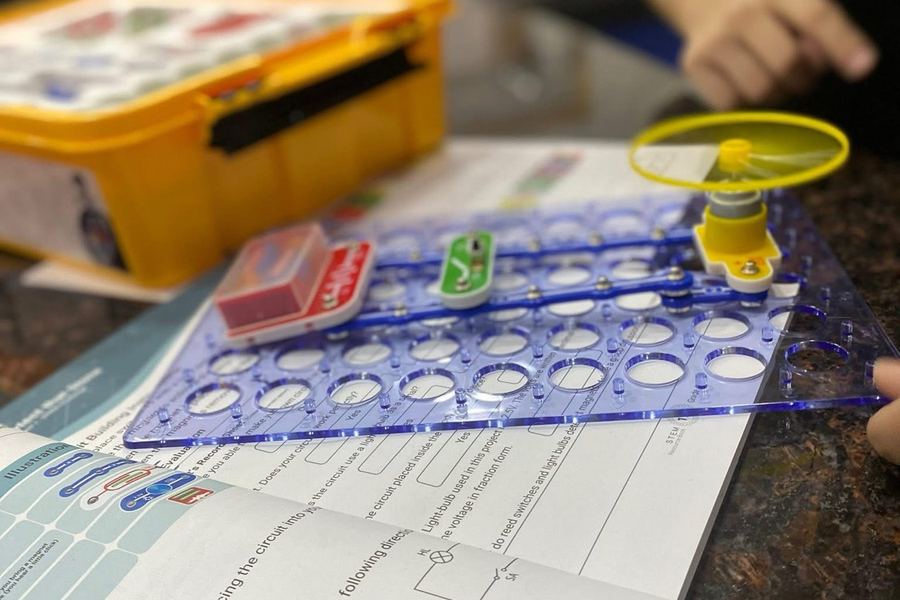
The gapSchools buy robots and kits, then have nothing that sequences the learning.
A workbook and kit built as a pair
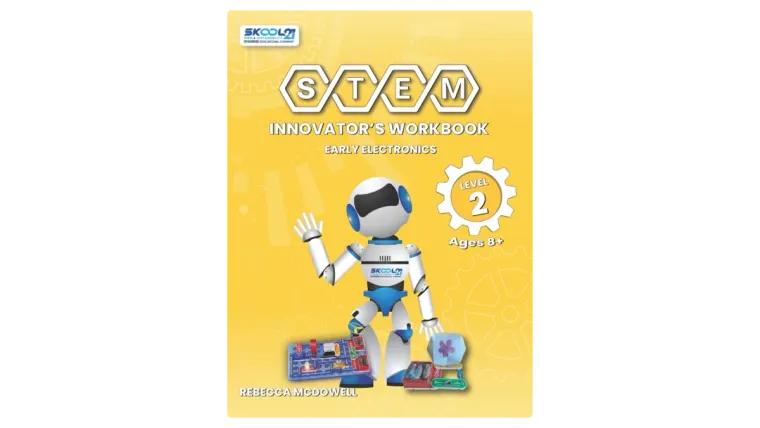
Every level pairs a student workbook with a learning kit and a teacher guidebook, so the hardware always has a plan.
The complete K-12 STEM and Sustainability curriculum: workbooks, kits, digital learning and teacher guides in one ecosystem.

 Saudi Arabia National Curriculum CenterCurriculum licence, 2026
 Zimbabwe Ministry of Primary and Secondary EducationMinistry approval, 2025
 Jamaica Ministry of Education, Skills, Youth and InformationMinistry resources list, 2025 to 2026


A workbook, a kit and a teacher guide at every level. Pick a cover.
 Level 1: Powered mechanics and automation, Grade 1
 Level 2: Electronics, Grade 2
 Level 3: Block coding with Scratch, Grade 3
 Level 6: Circuits, sensors and data, Grade 6
 Level 7: Smart AI systems, Grade 7
 Level 8: Data science, Grade 8
 Level 9: Text-based programming, Grade 9
 Level 10: 3D modelling and printing, Grade 10
 Level 11: Internet of Things with Python, Grade 11
 Level 12: Laser cutting and advanced fabrication, Grade 12
Pick the question that is yours. Each answer links to the page that settles it.
Ministry documents, standards mapping and impact studies, each described exactly as issued.
See approvals and impact →Distributors and partnersA full catalogue with ISBN and SKU, one-year kit warranty and teacher training.
Become a partner →School leadersOne 45 or 90 minute session a week, in an ordinary classroom.
See the classroom model →TeachersLesson plans, answer keys and three onboarding options.
See teacher support →ParentsSkills, projects and outcomes for every level, in plain terms.
Browse the levels →US districtsStandards are mapped per level in every guidebook. SKOOL21 LLC serves US buyers from San Francisco.
See the standards →Not sure where to start? We will route you to the right person at SKOOL21 or your local partner. Tell us who you are
Physical hardware, academic documentation and digital enrichment work together, so the classroom runs without friction.
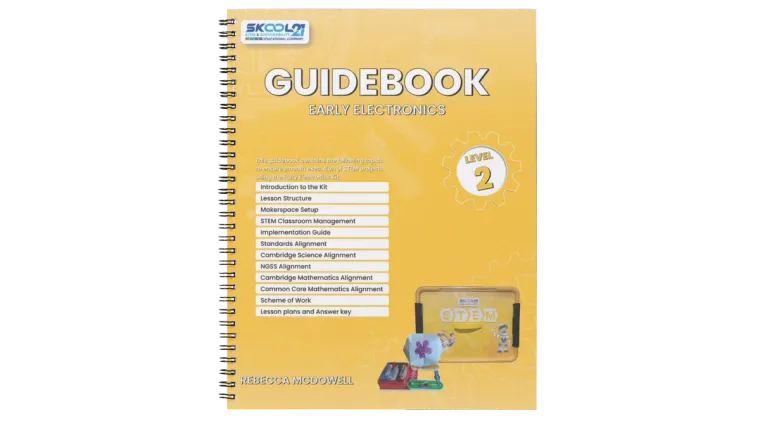
Follows the Engineering Design Process and works as a long-term student portfolio of sketches and reflections.
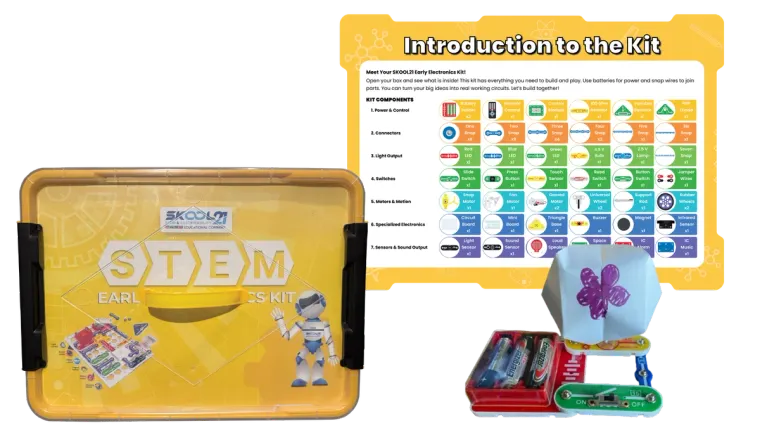
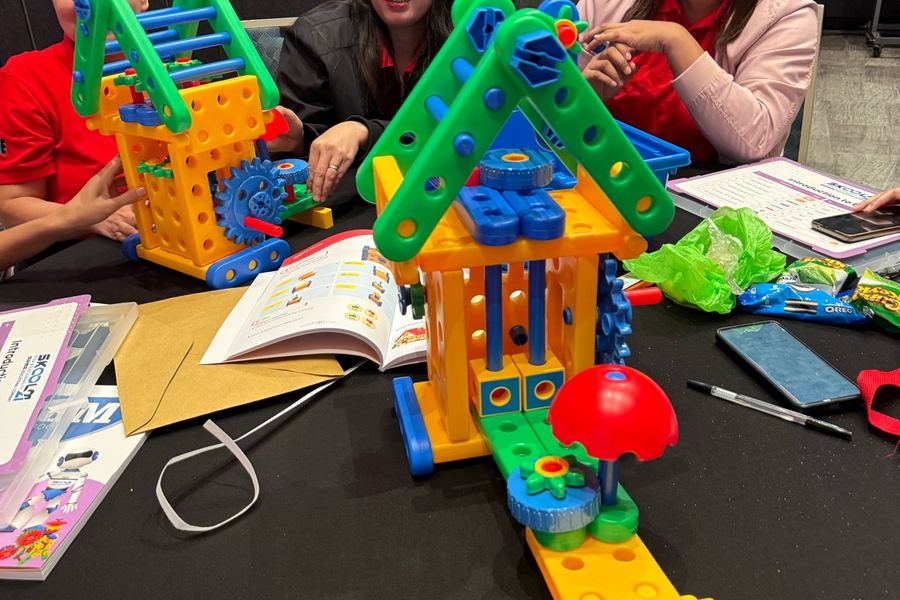
High-impact hardware, sensors and modular materials, designed for groups of four to build together.
A cloud platform with 3D videos and interactive simulations for teachers, now in development. Printed materials and paper assessment work without it.
In development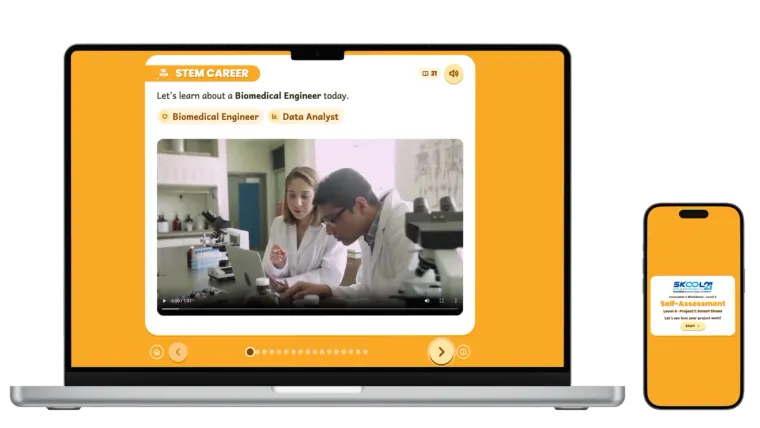
Lesson plans, answer keys and curriculum mapping in one place, aligned with international standards.
The gapSchools buy robots and kits, then have nothing that sequences the learning.
Every level pairs a student workbook with a learning kit and a teacher guidebook, so the hardware always has a plan.

The gapSustainability is often a poster or a single unit, apart from the real technical work.
Projects tie engineering to real community and global challenges, and connect them to the SDGs and to careers.
The gapTeachers without a STEM background are handed equipment and little support.
Lesson plans, answer keys and a scheme of work come with each level, with onboarding that is self-paced, in person or online.
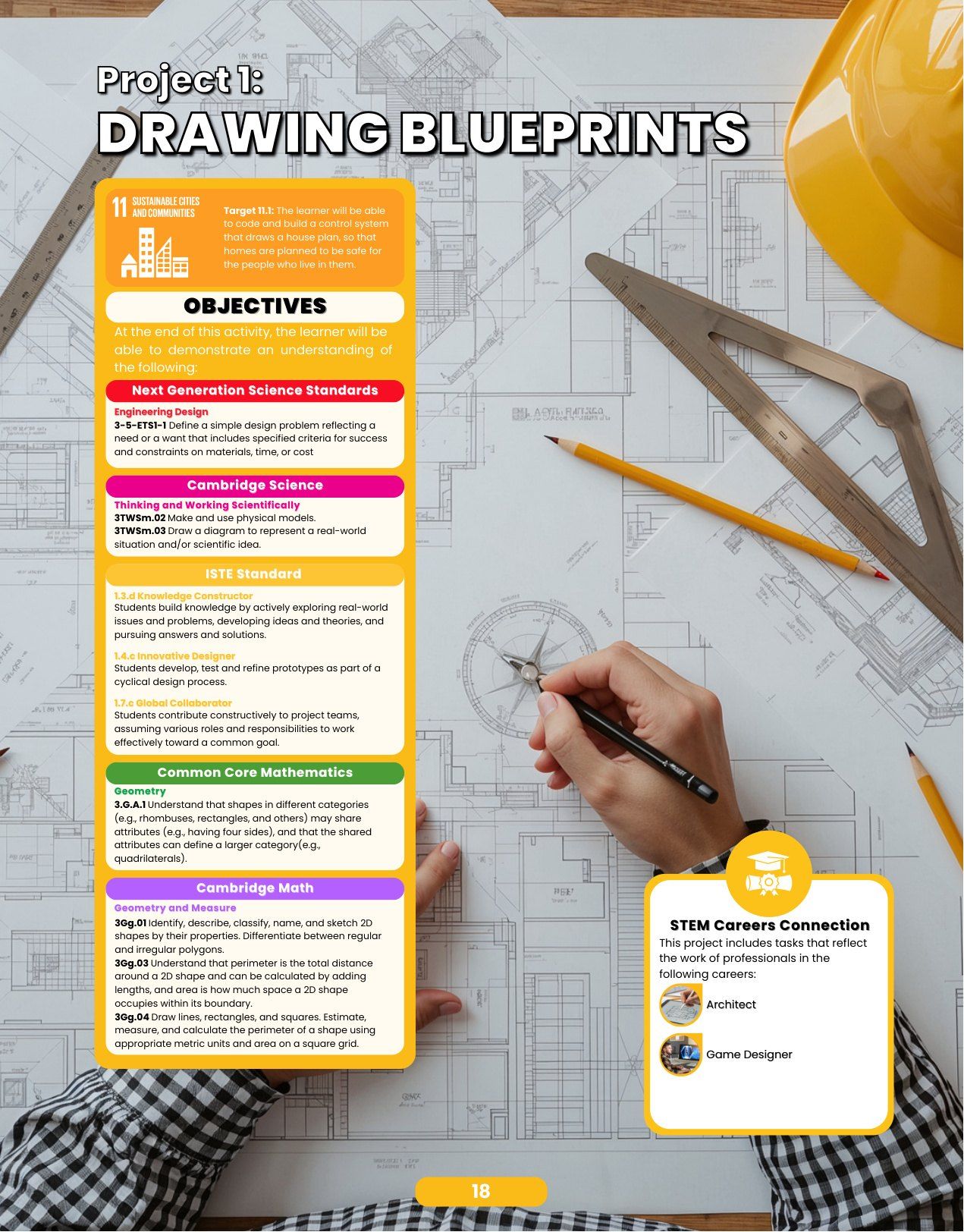
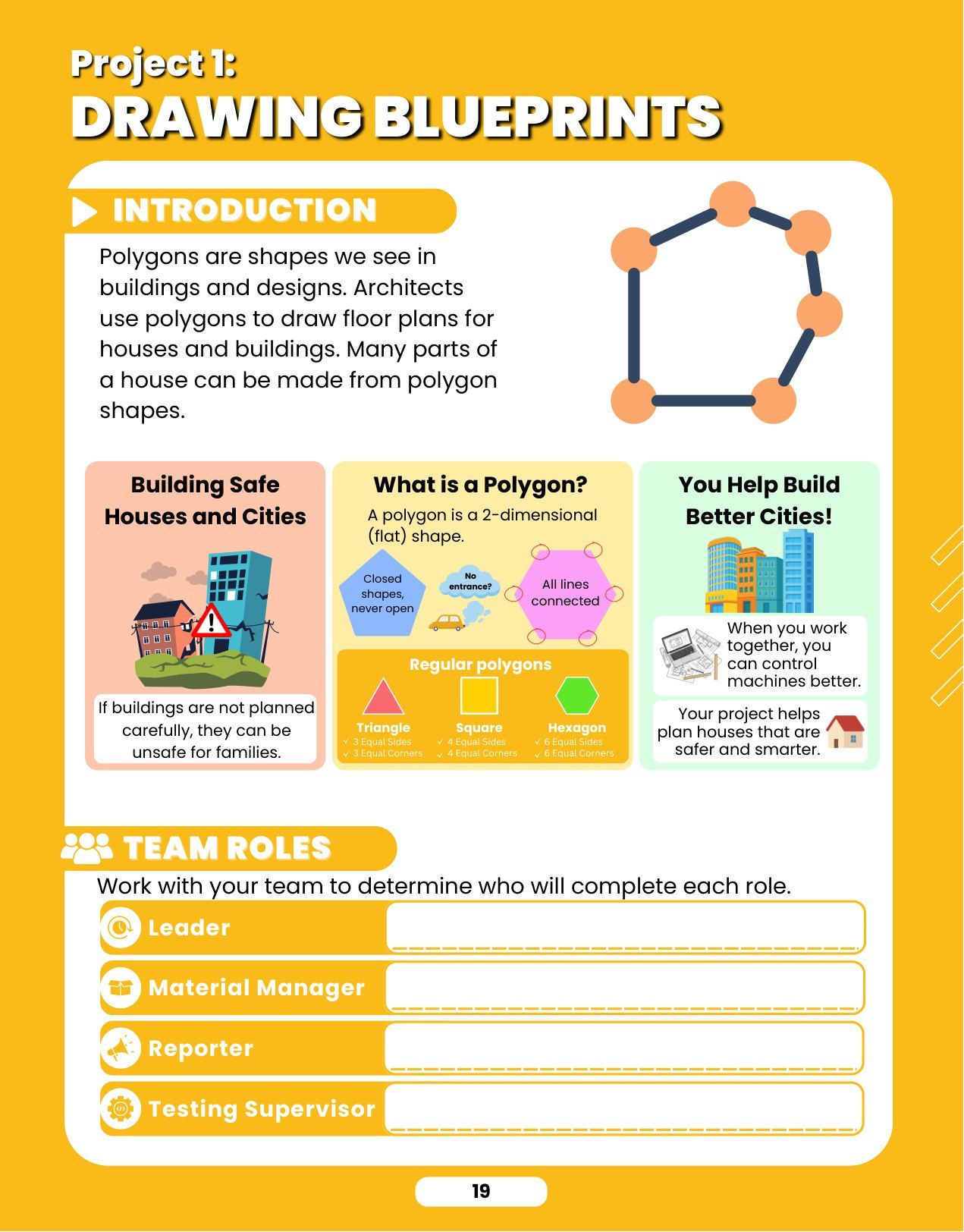
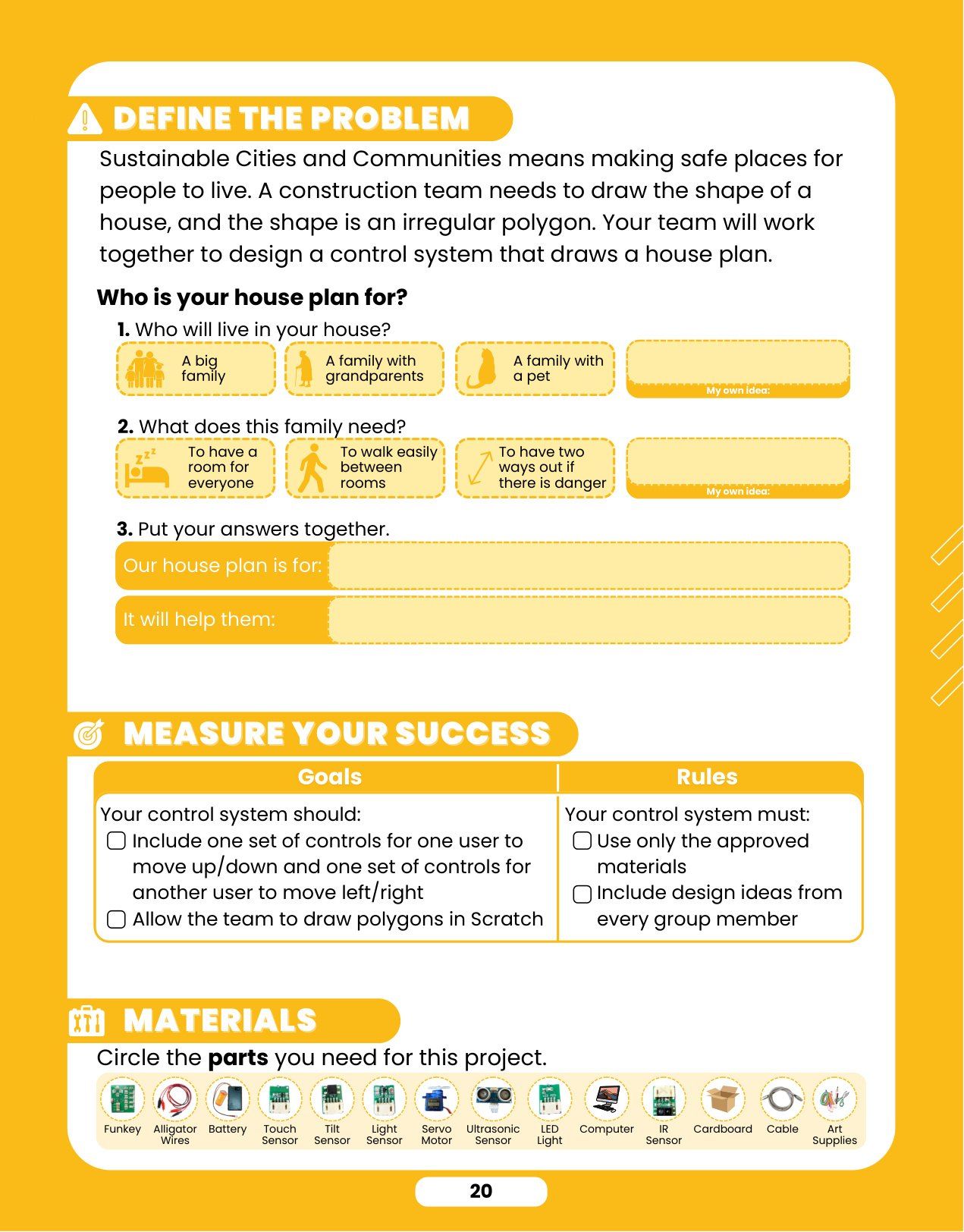
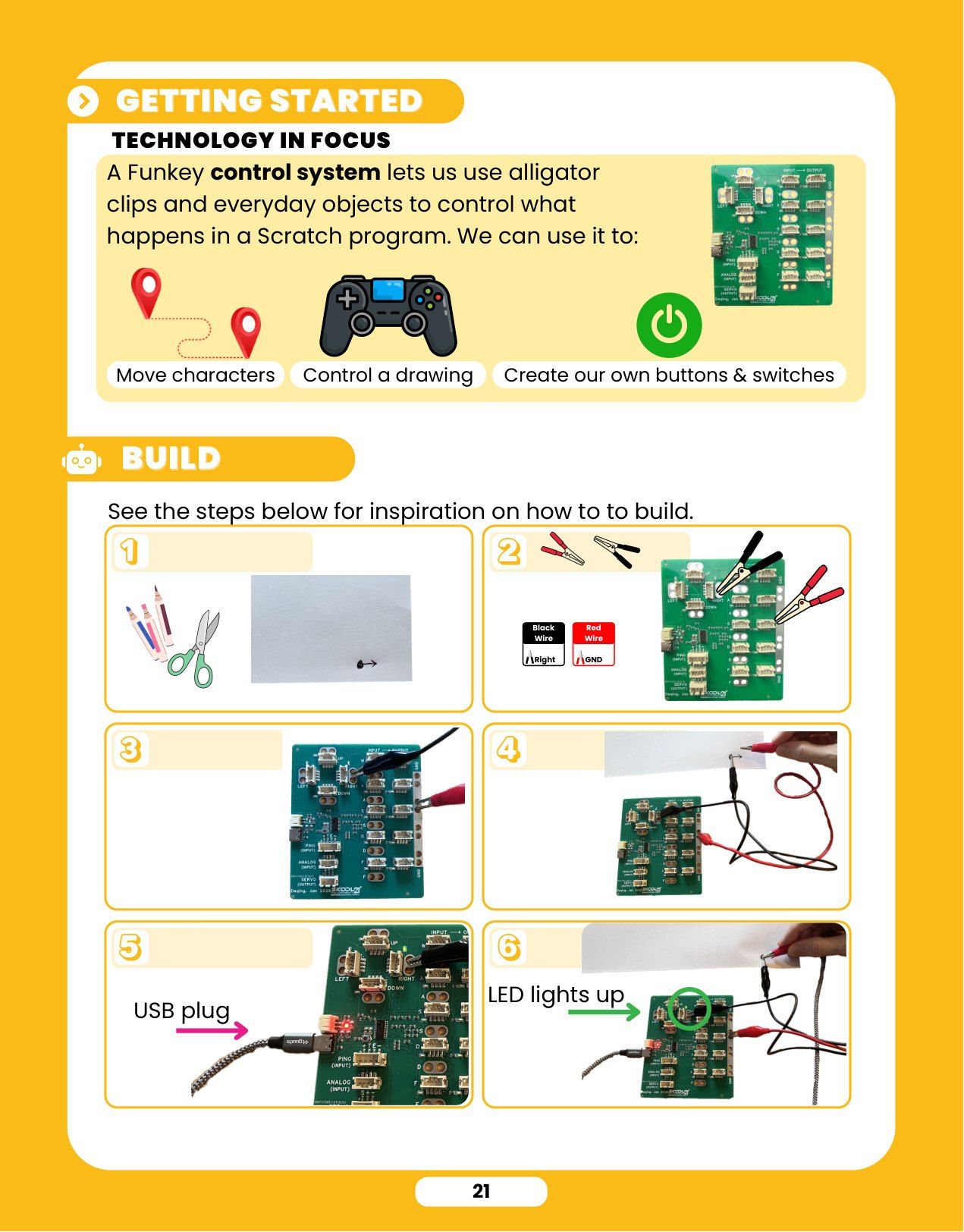
Level 3, Project 1: a construction team needs to draw the outline of a house, so the team builds a control system that draws it in Scratch. Every project from Level 1 follows this path.
 Level 3 book demo
A short walk through the Level 3 workbook and the Coding FunKey Kit: the first pages are below, and the full workbook is in the reader on the level page.
Three of the figures from the Impact page. Each names its year and source.
Students can understand and carry out the projects effectively, and they can complete them within the class time without difficulty, reflecting the suitability of the content to their level.

Photographs from SKOOL21 partner schools, used with school and parent consent.
Tell us who you are and we will route you to the right person.